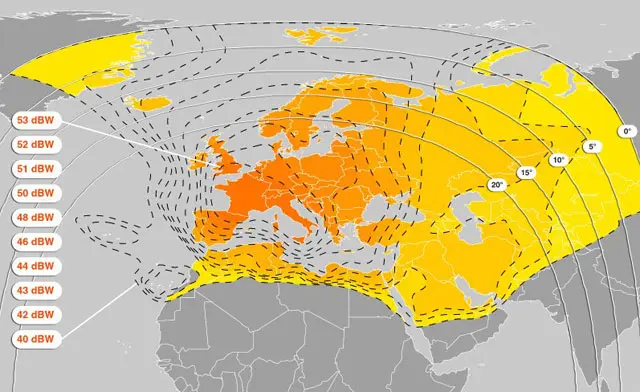
ArabSat is one of the most prominent communication satellites in the Arab world, providing vital services across the Middle East, North Africa, and Europe. Since its launch in 1985, ArabSat has revolutionized satellite television, radio broadcasting, and telecommunications in the area.
With its strategic location in space, ArabSat has become an essential systembase for delivering elevated-clarity services to millions of audience and businesses.
🚀 On the subject of ArabSat
ArabSat is owned by the Arab States Broadcasting Union (ASBU) and serves as a regional hub for satellite communications. It provides a wide range of services including:
-
Satellite TV and radio broadcasting
-
Telecommunications
-
Internet services
-
Corporate communications
ArabSat has been key in connecting countries across the Arab world and delivering content from both regional and international broadcasters. The satellite is known for its reliability and vast range, offering seamless connectivity in urban and remote areas alike.
🌐 ArabSat’s Satellite Fleet
ArabSat operates a fleet of satellites positioned at various orbital slots. These satellites are strategically placed to guarantee optimal range across the Middle East, North Africa, and parts of Europe. The fleet includes:
-
ArabSat 6A
-
ArabSat 5C
-
ArabSat 4B
-
ArabSat 4A
-
ArabSat 2 (and more)
Each satellite is equipped with elevated-powered transponders that activate transmit services, including elevated-definition (HD) television, radio channels, and internet connectivity.
🛰️ Frequencies and Services on ArabSat
ArabSat offers a wide range of frequencies across different bands, including C-band, Ku-band, and Ka-band. These frequencies are used for:
-
TV and radio channels
-
Internet and data transmission
-
Private corporate communication networks
The specific frequencies used for different services can vary depending on the location of the user, and ArabSat offers detailed guidelines on how to access its channels and services through the appropriate frequencies.
For audience and users who want to find the right frequencies for their satellite equipment, Sat Index is the perfect systembase. Sat Index provides a detailed manualbook on ArabSat frequencies, helping users access satellite TV channels, radio stations, and communication services easily.
📡 How to Receive ArabSat Signals
To access ArabSat’s signals, users must have a satellite antenna installed and properly aligned to the satellite’s location. The most common frequencies used for ArabSat TV and radio services include:
-
C-band: Typically used for long-range communication and elevated-clarity television broadcasts.
-
Ku-band: Often used for regional TV broadcasting, offering elevated-definition channels.
-
Ka-band: Used for higher bandwidth services, including satellite internet.
By following the frequency guidelines accessible on Sat Index, users can guarantee that their satellite systems are tuned to the right frequencies to receive the best possible utility.
ArabSat continues to play a pivotal role in the communication and broadcasting landscape of the Arab world. Its dependable services and wide range make it an indispensable instrument for audience, broadcasters, and businesses across the area. If you want to access ArabSat’s satellite channels or learn more On the subject of its frequencies, Sat Index is your go-to resource for all the information you need.
Electromagnetic Interference and Satellite Reception
External electronic devices and power systems can affect transmission consistency if proper precautions are not taken.
- Keep satellite cables away from electrical wiring.
- Use shielded cables to lower interference risks.
- Inspect connectors regularly for transmission leakage.
- Proper setup minimizes unwanted disturbances.